


Water Damage Restoration

Quick answer:

Act within 24–48 hours. Stop the water source, kill power to affected areas, remove standing water, and start drying with fans and a dehumidifier. Clean rainwater or supply-line leaks are often DIY-friendly; sewage, flood water, or anything soaked longer than 48 hours needs a licensed restoration pro because of mold and contamination risk.

The first 24–48 hours matter most

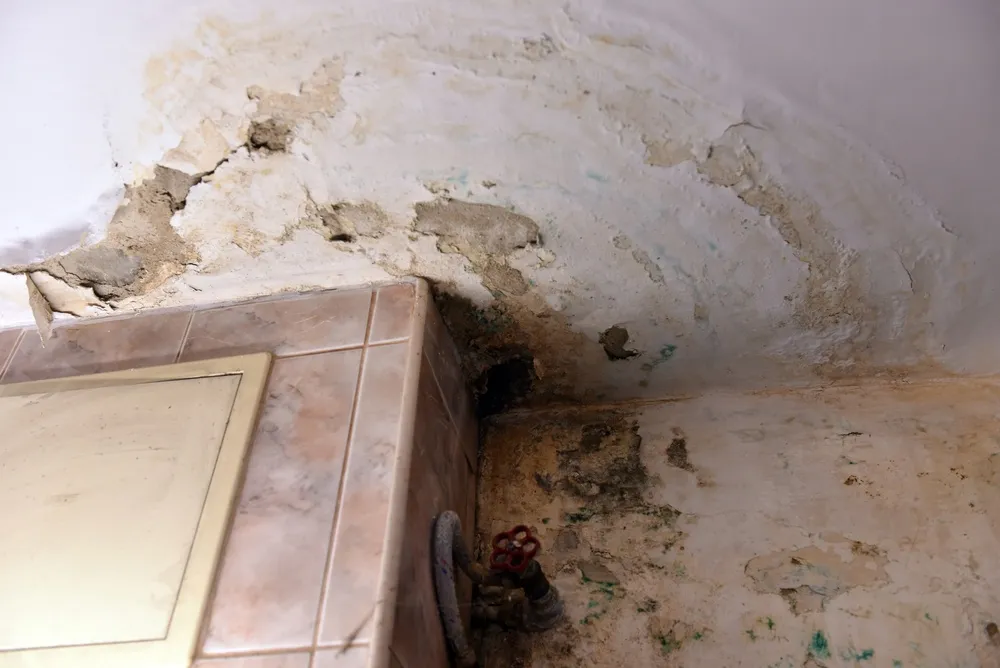
Mold can begin growing in as little as 24–48 hours on wet drywall, carpet, and wood. The faster you dry things out, the more you can save and the less you’ll spend. Move quickly but safely.

First steps, in order:

Know your water category

Not all water is equal, the category decides whether it’s safe to handle:

What you can DIY vs call a pro

Small, clean spills caught early, mopping, drying, running a dehumidifier, are fair game.

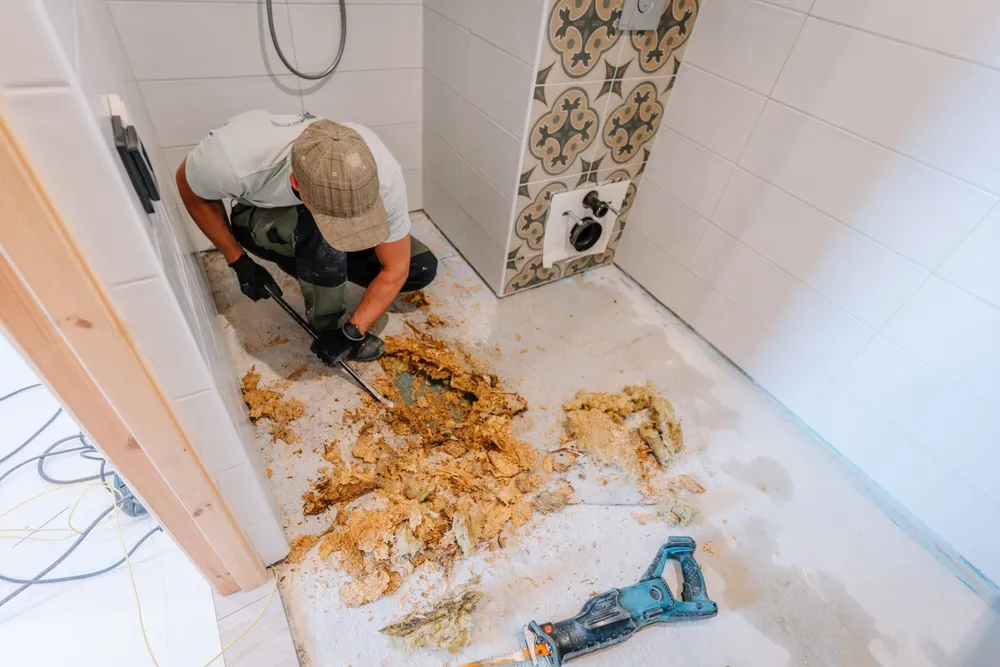
Call a licensed water-restoration company when water is contaminated, has spread into walls or subfloor, has sat more than 48 hours, or when you smell mustiness (a mold sign).

The restoration process, every time

Good restoration follows the same logic, whether it’s a flooded basement or a century-old farmhouse:

Make it safe

Handle immediate hazards first (electrical, structural, contamination).

Find the cause

Fix the source, not just the symptom, so the damage doesn't return.

Repair from the inside out

Structure and systems before surfaces.

Maintain

Protect the work you paid for.

Frequently Asked Questions

How long do I have before mold starts?

Often just 24–48 hours on wet porous materials, so start drying immediately.
Yes for small, clean-water spills caught early. Contaminated water, large areas, or anything soaked over 48 hours should go to a pro.
Yes, document the damage with photos first, then report it. Sudden, accidental water damage is often covered; gradual leaks usually aren’t.
It can be. Water near outlets or your electrical panel is an electrocution risk, cut power before entering.