


Quick answer:
Home restoration returns a damaged or aging home toward a sound, earlier condition while preserving its character. The order is always the same, make it safe, find the cause, repair from the inside out, then maintain. Clean, small, early damage is often DIY-friendly; contaminated water, fire, large-scale mold, and structural or hazardous-material work belong to licensed professionals.
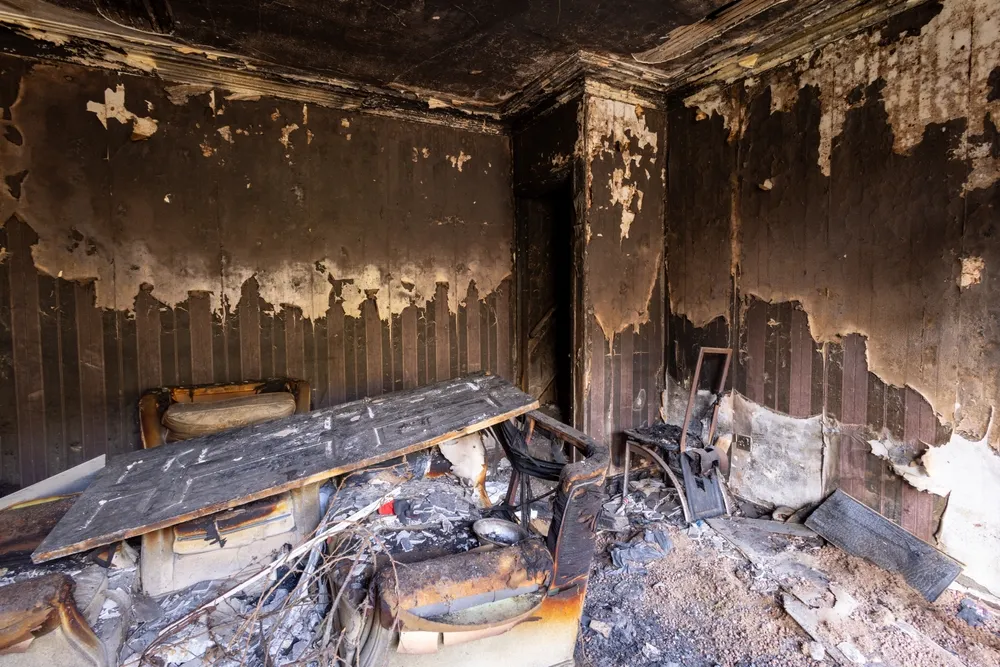
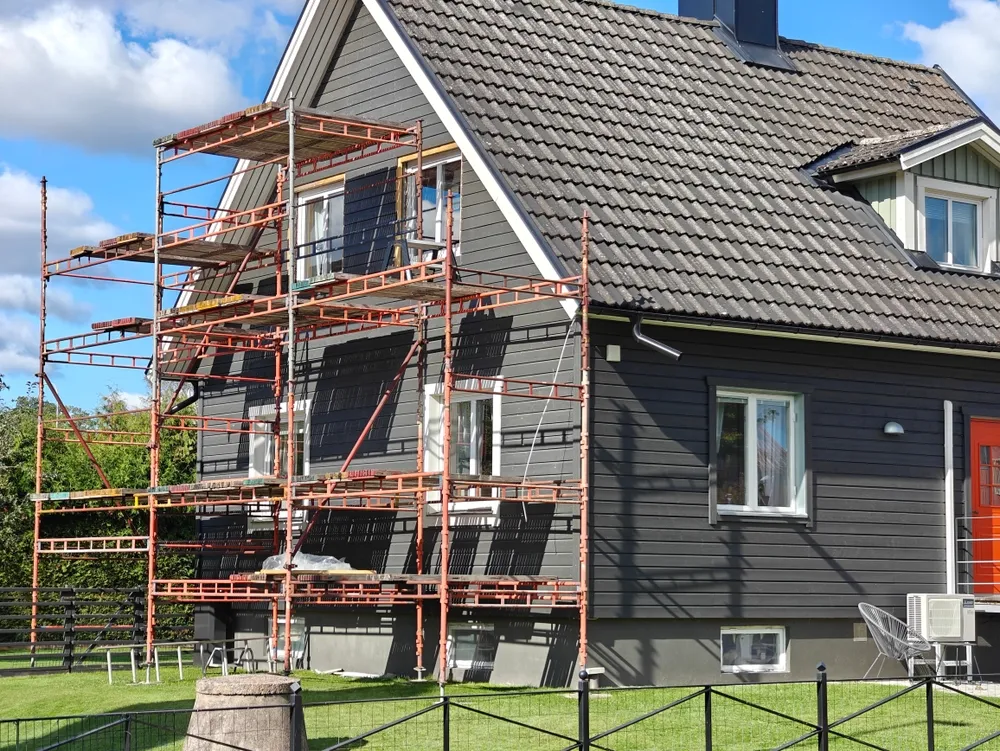
Restoration is about recovery, bringing a home back after damage or years of wear, not remodeling it for a new look. That includes drying out and repairing water damage, cleaning up after a fire, removing mold, saving floors, and carefully reviving older and historic homes.
Every guide gives you the first steps, the safety line, and honest cost drivers, with no sales pitch, because we’re an independent guide, not a contractor.
Restoration returns your home toward a sound, earlier condition and protects its original character. Renovation updates and improves it for how you live today.
Many projects involve both, and getting the distinction right shapes your budget, timeline, and who you hire. Planning improvements instead of recovering from damage? Start with our Home Renovation guides.

Make it safe
Handle immediate hazards first (electrical, structural, contamination).

Find the cause
Fix the source, not just the symptom, so the damage doesn't return.

Repair from the inside out
Structure and systems before surfaces.

Maintain
Protect the work you paid for.

Cleaning small, clean-water spills, refinishing floors, and light cosmetic repair are fair game for a confident homeowner.
But contaminated water, fire damage, large or hidden mold, electrical, structural, asbestos, and lead work belong to licensed professionals, for your safety and often by law. Our DIY vs Professional guide draws the line clearly, and our cost guides show what really drives the price.
What is home restoration?
What's the difference between restoration and renovation?
Which restoration jobs can I do myself?
Where do I start after damage?