


Mold Remediation

Quick answer:

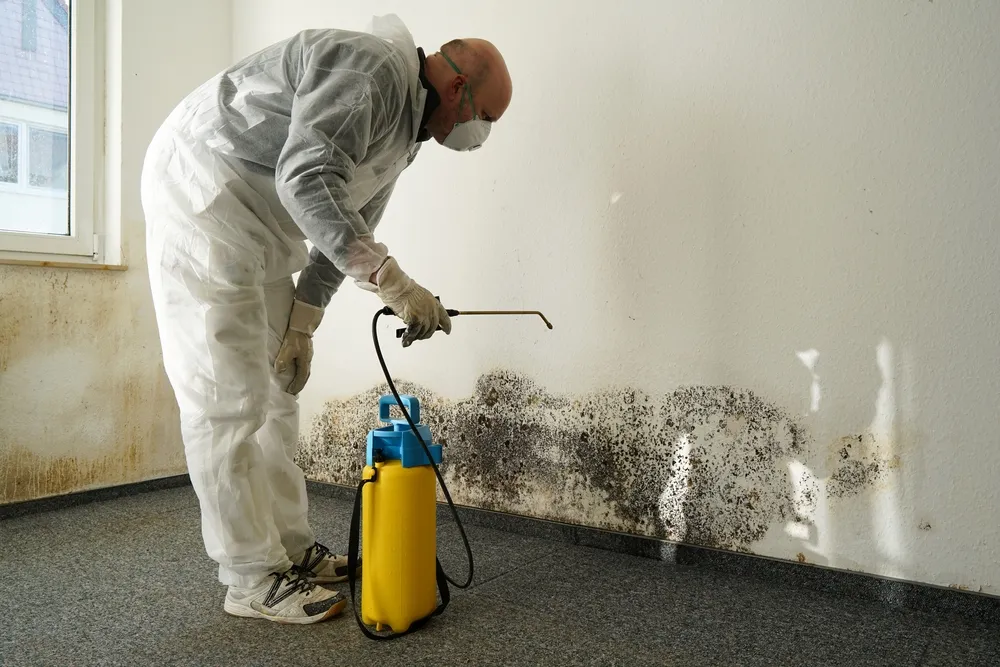
Fix the moisture source first, mold always comes back if the leak or humidity stays. As a rule of thumb, a homeowner can clean mold under about 10 square feet with an N95, gloves, and proper ventilation. Larger areas, HVAC contamination, or any mold from sewage water should go to a professional. Painting over mold never works.

Step one: fix the water

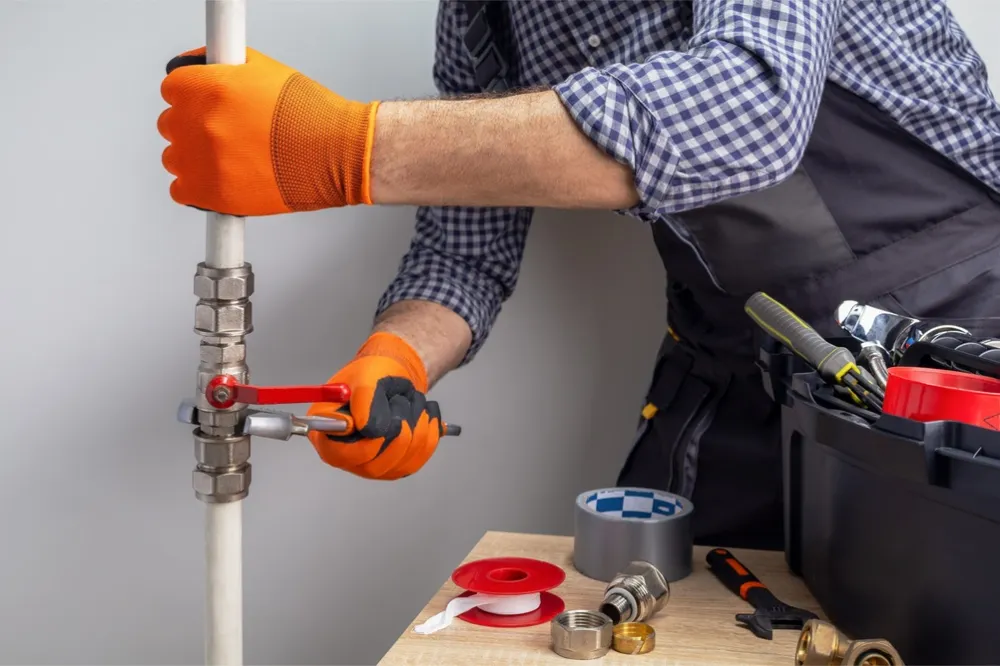
Mold is a symptom. If you don’t stop the leak, condensation, or high humidity feeding it, it returns no matter how well you clean. Find and fix the source before you remediate. Keep indoor humidity below about 50%.

The 10-square-foot rule

The EPA’s general guidance: if the moldy area is smaller than roughly 10 square feet (about a 3×3-ft patch), a careful homeowner can usually handle it. Beyond that, or if mold is in your HVAC, from contaminated water, or you have health concerns, bring in a remediation professional who can contain the area and prevent spores from spreading.

Safe DIY cleanup:

Note: bleach isn’t a cure-all. On porous surfaces it doesn’t reach the roots, and it’s often unnecessary, thorough cleaning and removal of affected material matter more.

Mold vs. mildew

Mildew is surface-level and wipes away; mold penetrates and often has a musty smell and a fuzzy or slimy texture. If it keeps coming back or covers a large area, treat it as mold.

When to call a pro

Large areas, hidden mold (behind walls, under floors), HVAC involvement, sewage-related mold, or anyone in the home with asthma or a weakened immune system.

The restoration process, every time

Good restoration follows the same logic, whether it’s a flooded basement or a century-old farmhouse:

Make it safe

Handle immediate hazards first (electrical, structural, contamination).

Find the cause

Fix the source, not just the symptom, so the damage doesn't return.

Repair from the inside out

Structure and systems before surfaces.

Maintain

Protect the work you paid for.

Frequently Asked Questions

How much mold can I remove myself?

Generally under about 10 square feet, with an N95, gloves, and ventilation. Larger jobs need a pro.
No. Paint hides it briefly but the mold keeps growing underneath. Remove it and fix the moisture first.
Any indoor mold should be removed. “Black mold” gets the most attention, but color alone doesn’t determine risk, treat all significant mold seriously.
On hard, non-porous surfaces it can help, but on porous materials it doesn’t reach the roots. Cleaning and removing affected material is what counts.